Introduction
HM Revenue and Customs (HMRC) has provided further details on the expansion of Making Tax Digital (MTD), highlighting income thresholds and specific requirements for taxpayers in the coming years.
This expanded digital system will affect increasing numbers of sole traders and landlords, who will be required to file quarterly updates through HMRC’s digital platform.
The clarification follows public queries on how and when different groups, such as those working under the Construction Industry Scheme (CIS) or PAYE, will need to comply with new reporting obligations.
Overview of Making Tax Digital expansion
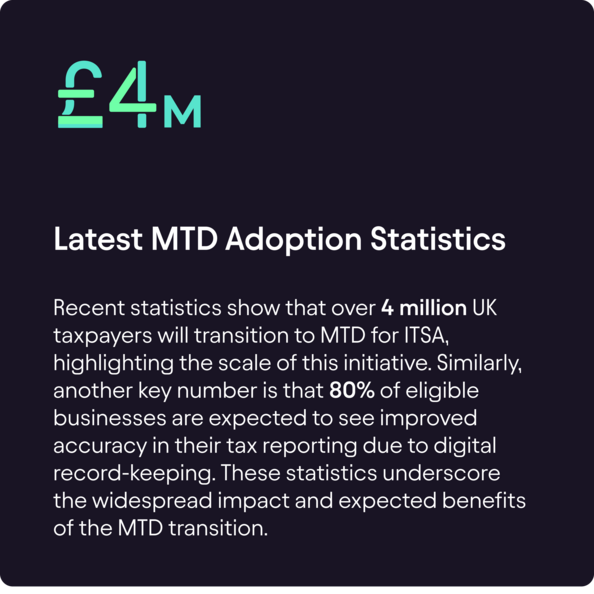
Making Tax Digital is HMRC’s initiative to digitise the tax system for individuals and businesses, aimed at improving the accuracy of tax reporting and reducing errors. The programme, which began with VAT-registered businesses, is set to be phased in for those with income from self-employment and property.
The expansion schedule has been under review, with HMRC confirming that more taxpayers will be required to join the digital system each year. The changes intend to streamline tax administration and ensure real-time reporting of income.
Income thresholds and starting dates explained
According to verified HMRC guidance, individuals with annual qualifying income over £50,000 in the 2024/2025 tax year must begin submitting digital updates from 6 April 2026. This requirement will further expand to include those earning over £30,000 in 2025/2026, who must comply from April 2027.
By 2028, the government intends to introduce legislation requiring individuals with qualifying income above £20,000 in 2026/2027 to use the MTD system. This phased approach allows taxpayers and their agents time to adapt to digital record-keeping and reporting.
Definition of qualifying income for MTD
Qualifying income for Making Tax Digital purposes includes gross income from self-employment and property but excludes earnings from employment under PAYE. HMRC has stated, 'PAYE income does not count towards your qualifying income.
' Only income from sources that are currently subject to self-assessment, such as profits from sole trading or rental properties, is taken into account when determining whether the thresholds are met.
Guidance for CIS and PAYE workers
Specific guidance has been issued for workers operating under the Construction Industry Scheme (CIS). Contractors deduct tax at source from subcontractors' payments and transfer it to HMRC as an advance against the subcontractor’s tax and National Insurance liabilities. A common area of confusion involves taxpayers who have both CIS and PAYE income.
HMRC has clarified that qualifying income for MTD does not include PAYE earnings. For example, a person working partly under PAYE and partly under CIS would calculate only the CIS income to determine whether they cross the digital reporting threshold.
Future plans for digital reporting
The government’s long-term vision is to extend MTD requirements gradually to a wider range of taxpayers. Legislation to incorporate lower income thresholds is expected before April 2028, subject to public consultation and parliamentary approval.
HMRC’s phased introduction aims to minimise disruption while encouraging early adoption of digital record-keeping. The department maintains that the changes are necessary to modernise tax compliance and improve taxpayer experience.
Final Summary
The expansion of Making Tax Digital marks a significant change in the way self-employed individuals and landlords report their income to HMRC. By confirming that income from PAYE is excluded from qualifying amounts, HMRC aims to reduce confusion for those with multiple streams of earnings.
The gradual lowering of income thresholds means more people will be brought into the scope of digital reporting over the next few years. All affected taxpayers are advised to assess their sources of income and prepare for future compliance requirements.
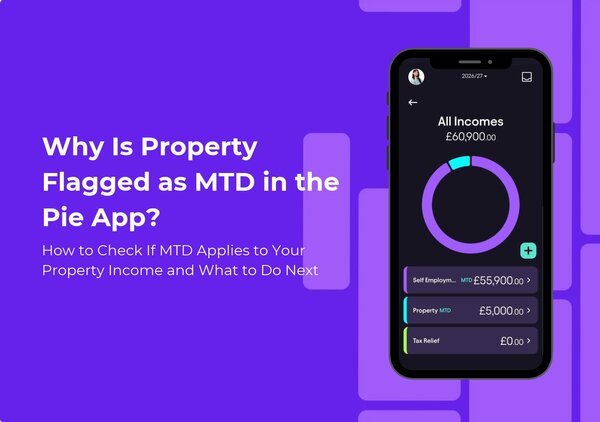
For those seeking clarity on their position, further support can be found on the HMRC website and through financial management tools, such as the Pie app, to monitor income and tax obligations effectively.