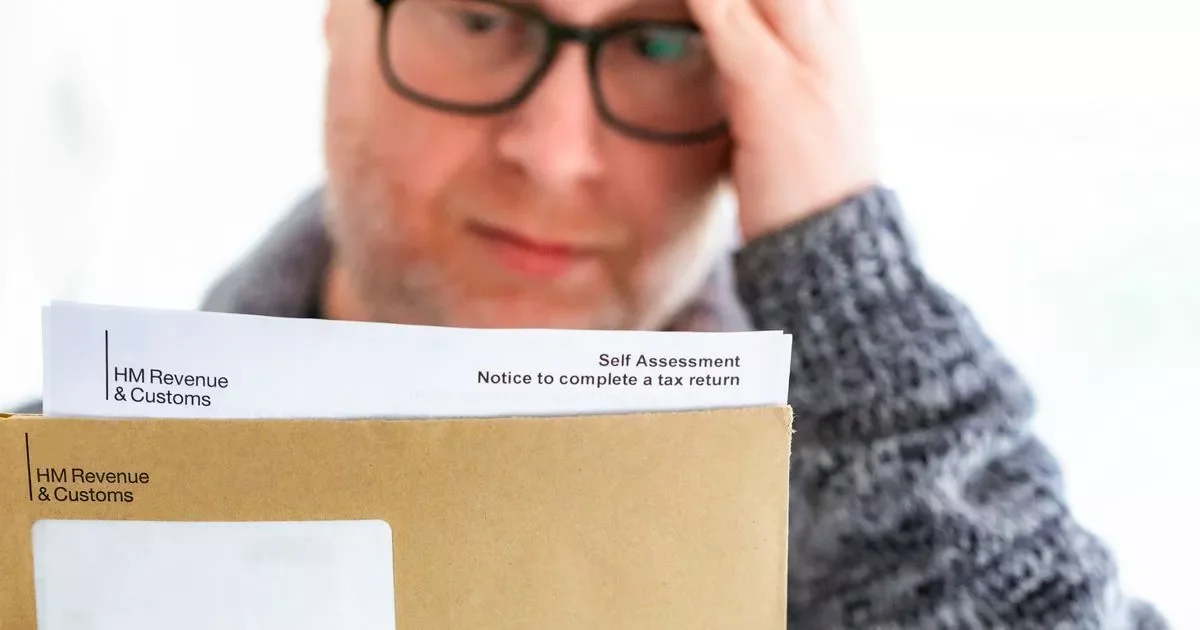
HMRC Warns Of Fines For Missed Self Assessment Tax Return Deadline

HMRC Warns Of Fines For Missed Self Assessment Tax Return Deadline
Charlotte Baroukh

Charlotte Baroukh

Tax Expert @ Pie

3 min read

Updated: 29 Dec 2025

3 min read

Updated: 29 Dec 2025

HM Revenue and Customs (HMRC) has issued a warning to UK taxpayers regarding the upcoming self-assessment tax return deadline on 31 January 2026.


Individuals required to complete a self-assessment face penalties if they fail to file their returns or pay any tax owed by this critical date.


The warning highlights the financial consequences of missing the deadline and outlines who is required to file, as well as the steps to take if corrections are needed.

Crucial Self-Assessment Tax Deadline Approaches

HMRC has notified millions of self-assessment customers across the UK that the deadline to submit their 2024-25 tax returns online, and to pay any outstanding tax, is 31 January 2026.


The self-assessment system primarily applies to those whose income is not taxed at source, such as self-employed individuals, partners in business partnerships, and those with untaxed income from properties or investments. Taxpayers who have not yet filed their returns or paid outstanding liabilities are being urged to take immediate action.


HMRC offers online services, including tools to help taxpayers determine if they need to file, as well as step-by-step filing support on GOV.UK.

Penalties for Late Filing and Payment

If a self-assessment return is not filed online by the 31 January deadline, HMRC imposes an automatic penalty of £100 for a delay of up to three months. For returns more than three months late, a further daily penalty of £10 applies, up to a maximum of £900. After six months, a penalty of 5% of the tax due or £300 whichever is greater will be charged.


This process is repeated if the tax return remains outstanding after twelve months. Taxpayers must pay penalties within 30 days of the date on the penalty notice to avoid further charges.

Who Is Required to File a Tax Return?

Self-assessment obligations apply to several groups. Anyone who was self-employed as a sole trader and earned more than £1,000 before permissible deductions, or who was a partner in a business partnership during the last tax year (6 April to 5 April), must file.


A return must also be submitted by those who have received untaxed income such as rental income, dividends, or overseas earnings or who are liable for the High Income Child Benefit Charge.


This charge applies where individuals or their partners had income exceeding £60,000 and received Child Benefit payments.

Process for Amending or Correcting Returns

Once a self-assessment tax return has been submitted, taxpayers may realise an error or omission. HMRC allows corrections or amendments to be made online or by submitting a new paper return within 12 months of the original deadline.


Adjustments made to a filed tax return may result in an updated tax bill, either requiring additional payment or providing a refund. It is essential to act within the correction window to ensure compliance and avoid any additional penalties.

HMRC Cautions Against Scams

With the approach of the annual filing deadline, HMRC has warned taxpayers to be vigilant against scams. Lucy Pike, HMRC’s chief security officer, stated that fraudulent communications can mimic official correspondence in an attempt to obtain sensitive information.


“Millions of people file a tax return each year and scammers mimic HMRC to try and catch unsuspecting victims out. I’m urging people to stay vigilant and if any emails, text messages or phone calls appear suspicious do not click on links or share personal information report it directly to HMRC,” Pike said.


HMRC advises all taxpayers to treat unsolicited messages or calls with caution and to use official channels for communication and reporting suspicious contact.

Final Summary

With the 31 January 2026 self-assessment deadline nearing, HMRC is urging taxpayers who fall under self-assessment rules to file and pay any outstanding tax on time. Late submissions can lead to penalties, which increase with the length of delay.


The department also reminds individuals to correct any mistakes within the permitted timeframe and to be aware of fraudulent schemes designed to exploit taxpayers at this time of year.


Access to official, up-to-date HMRC guidance remains key. For those looking to track tax deadlines and requirements more easily, a digital tool such as Pie may help keep finances on course.

Want to get smarter about taxes?

The Tax Pible has tax tips, guides, video tutorials, and expert insights.


Stay up to date with the latest tax news and watch the UKs first tax podcast - the Piecast

Want to get smarter about taxes?

File your Self Assessment - For FREE

Manage your self-assessment in one, easy to use App

  • Save money, time and effort with Pie

  • Add multiple incomes and view your tax in ‘Real Time’

  • File directly to HMRC - for FREE

File your self assessment - for Free

The Free Self Assessment App.

logologo
Want regular updates from us?

Want regular updates from us?

Sign up for regular tax tips and news sent straight to your inbox.

Whatsapp Pie Tax