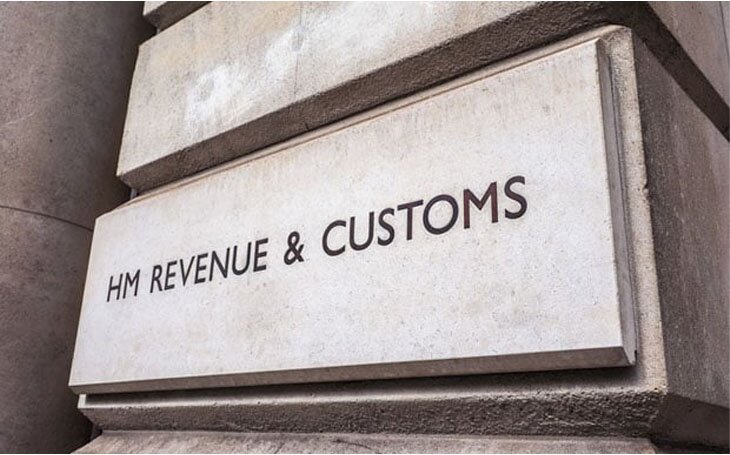
His Majesty’s Revenue and Customs (HMRC) has sharply increased its scrutiny of residential property transactions, with the number of stamp duty investigations doubling in the last year.
The move comes amidst concerns about the accuracy of self-declared payments and the prevalence of errors, following several high-profile cases of underpaid tax. According to official data, more than 3,000 homebuyers faced investigation for stamp duty avoidance in 2024-25, resulting in substantial additional revenue for the Treasury.
The crackdown highlights the challenges inherent in a system that relies on good-faith declarations, and comes as government warnings intensify regarding opportunistic claims and misleading advice.
Surge in stamp duty investigations by HMRC
In 2024-25, HMRC opened over 3,000 new investigations into suspected stamp duty underpayment on residential property purchases. This figure represents a doubling from the previous year, in which 1,617 cases were examined.
The increase reflects a growing focus on ensuring compliance as the government seeks to close gaps in tax collection related to property transactions. According to official estimates, the increase in activity is partly in response to concerns about self-assessment errors and the complexity of the stamp duty system.
HMRC has stated it will continue to use data-driven methods and targeted interventions to identify discrepancies.
Financial impact for Treasury and taxpayers
The intensified enforcement generated a total of £201 million in recovered tax income in the most recent year, with investigations yielding an average of £66,000 per case.
This contrasts sharply with £85.4 million collected the previous year. For individual buyers found to have made errors, both unintentional and otherwise, the consequences can be significant.
Taxpayers are required not only to repay underpaid duties but may also face interest charges and penalties, depending on the nature and timing of the original declaration.
How stamp duty is calculated and common pitfalls
Stamp duty land tax is payable on residential property acquisitions above £125,000, although a higher threshold of £300,000 applies for first-time buyers. Rates are structured incrementally, starting at 2% and rising to 12% for higher value bands.
An additional 5% surcharge applies to purchases of second homes, increasing the complexity for buyers with more than one property.
Given this multi-layered structure, common areas of confusion include eligibility for first-time buyer relief, correct calculation of surcharges, and navigating residency-based variations. Mistakes in these areas remain a leading cause of underpayments flagged by HMRC.
Role of refunds and potential errors
Refunds are sometimes due if an error is made in the original return, or if a buyer who paid the second home surcharge goes on to sell their previous main residence within three years.
Non-UK residents becoming UK-resident after a property purchase may also be eligible for repayment. The Revenue has acknowledged that, for operational reasons, some refunds are paid automatically before a thorough eligibility check is completed.
If subsequent review determines that repayment was made in error, the taxpayer can be required to return both the original refund and additional penalties where applicable.
Warnings over repayment agents and speculative claims
HMRC has issued explicit warnings to homebuyers regarding so-called “rogue repayment agents.” These firms, operating on a no-win-no-fee basis, may encourage property buyers to make speculative claims for stamp duty refunds, often relying on questionable interpretations of habitability or minor property defects.
Tax expert Mike Warburton explained that while genuine claims involve significant property issues, some agents have submitted claims based on relatively minor matters such as the need for a new kitchen or routine electrical repairs. Inaccurate claims can result in taxpayers owing more than any sum they sought to recover.
Final Summary
HMRC’s doubling of stamp duty investigations in the past year underscores a renewed focus on tax compliance across the property sector. The sharp rise in cases and the significant financial returns for the
Treasury demonstrate the scale of the challenge, particularly within a self-assessed system prone to errors and misinterpretation. As the government continues to caution against unregulated repayment agents and speculative claims, buyers are advised to ensure all returns are accurately completed, or to seek professional advice where needed.
Industry professionals and homebuyers can access further tools and insight on property tax compliance using the Pie app for enhanced understanding of current rules and regulations.