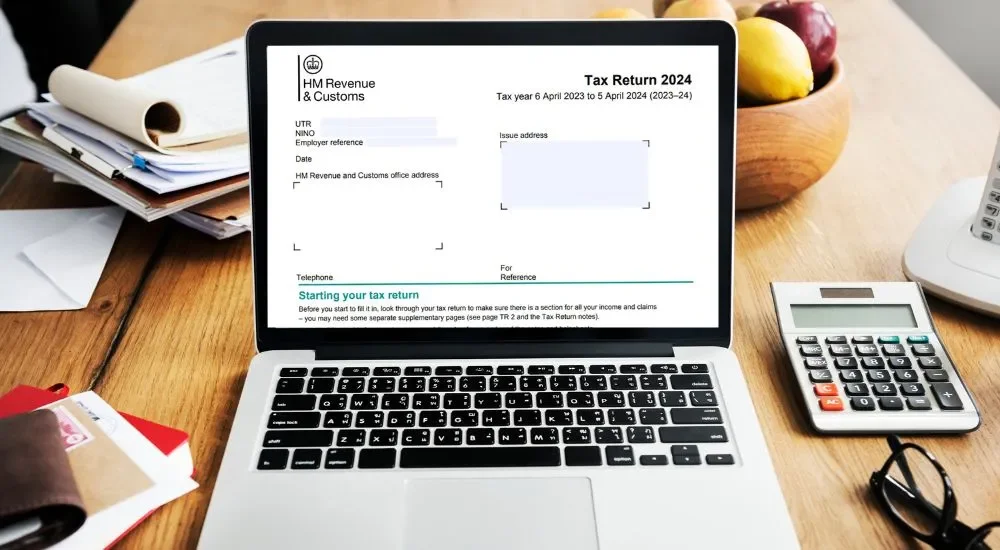
HMRC Introduces Digital Tax Updates For Freelancers And Landlords

HMRC Introduces Digital Tax Updates For Freelancers And Landlords
Charlotte Baroukh

Charlotte Baroukh

Tax Expert @ Pie

3 min read

Updated: 5 Mar 2026

3 min read

Updated: 5 Mar 2026

From April 2026, HM Revenue and Customs (HMRC) will implement a significant change to tax filing procedures for self-employed individuals and landlords across the United Kingdom.


The new rules, part of HMRC’s Making Tax Digital for Income Tax initiative, require those with annual income over £50,000 from self-employment or property to maintain digital records and provide quarterly updates via recognised software.


This change, expected to initially affect over 860,000 workers, has prompted a surge in public interest and raised questions about its practical implications and wider tax trends.

Overview of the New Digital Tax Rules

The new HMRC rules represent a marked shift from traditional annual self-assessment processes towards real-time digital reporting.


Starting 6 April 2026, eligible taxpayers will need to submit quarterly income updates throughout the tax year and file a single annual declaration, all through approved software platforms.


This move is designed to modernise tax administration, increase accuracy, and support more efficient compliance. According to official guidance, the intention is to simplify tax management and reduce mistakes commonly associated with manual record-keeping.

Who Will Be Affected by the Changes

In the first phase, self-employed individuals and landlords whose total income from these sources exceeds £50,000 will be required to comply. HMRC data indicates around 860,000 people will fall within the initial group impacted by the regulations.


The policy will be gradually extended, with the threshold lowering to £30,000 in 2027 and eventually to £20,000 in 2028.


This staged approach is expected to bring millions into the digital tax regime over the coming years, significantly increasing the number of taxpayers who must adapt to the new processes.

Clarifying Common Misconceptions

Despite rising awareness, misunderstandings about Making Tax Digital remain widespread. One major concern is that freelancers and landlords may face substantial costs for software just to fulfil tax obligations.


However, finance professionals point out that many digital solutions are already available at competitive prices, and some providers offer free versions aligned with HMRC requirements.


Paul Lodder, a chartered accountant, explained that manual errors rather than software costs are often the greater risk for small businesses. 'Small businesses lose significant sums from poor expense tracking due to lost receipts and forgotten transactions,' Lodder said.

Impact on Record-Keeping and Workloads

A common misconception is the belief that taxpayers will need to file five full tax returns annually. In reality, the process requires four brief quarterly income updates, followed by a final end-of-year declaration.


Experts argue that ongoing digital record-keeping may actually reduce pressure compared to the traditional January rush. By uploading receipts and recording expenses regularly, many freelancers could find tax administration less stressful and more manageable.

Wider Tax Landscape and Fiscal Drag

Beyond digital record-keeping, experts warn that other tax changes merit equal attention. Elsa Littlewood, tax partner at BDO, noted that more individuals are moving into higher tax bands due to measures such as frozen income thresholds, a phenomenon known as fiscal drag.


'Understanding allowances and reliefs before the end of the tax year is increasingly important,' Littlewood said. She advised taxpayers to review their eligibility for reliefs and to plan accordingly to mitigate tax liabilities, especially as deadline approaches.

Final Summary

The introduction of Making Tax Digital for Income Tax marks a major change for UK freelancers and landlords earning over £50,000 annually. The requirement to keep digital records and file periodic updates aims to improve tax compliance, accuracy, and workflow, despite causing some initial uncertainty among taxpayers.


With further reductions in the income threshold planned for future years, millions of additional self-employed workers are set to be included. Tax specialists stress the importance of preparing early, reviewing available allowances, and understanding both the immediate and wider implications of these changes.


Individuals seeking to manage these adjustments will find digital tax management tools, such as those available in the Pie app, helpful for maintaining compliance and easing the transition.

Want to get smarter about taxes?

The Tax Pible has tax tips, guides, video tutorials, and expert insights.


Stay up to date with the latest tax news and watch the UKs first tax podcast - the Piecast

Want to get smarter about taxes?
Whatsapp Pie Tax