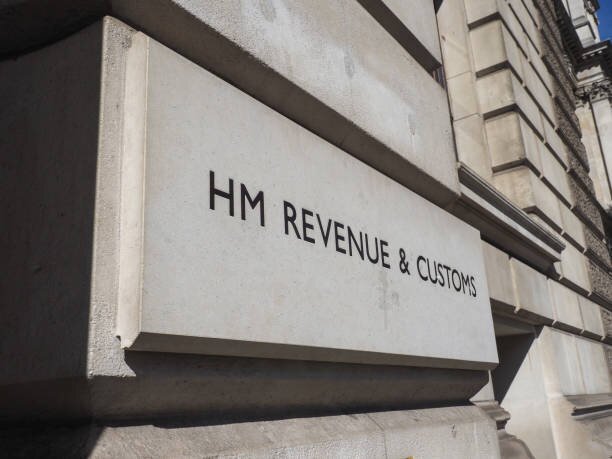
Landlords and self-employed individuals face sweeping changes to their tax reporting obligations, as HM Revenue and Customs (HMRC) prepares to expand its digital tax compliance programme from April. Under Making Tax Digital (MTD), nearly a million people must file updates more frequently, moving from an annual tax return to mandatory quarterly submissions.
The government maintains these changes will simplify reporting and provide real-time clarity on financial health. However, industry groups have raised concerns over increased complexity and administrative burden during the transition.
Overview of Making Tax Digital
Making Tax Digital is an initiative by HMRC aimed at modernising the UK tax system. The platform requires taxpayers with property or trading income above certain thresholds to maintain and submit financial records digitally using HMRC-approved software.
The aim is to reduce errors, improve compliance, and provide an up-to-date overview of tax liabilities for individuals and small businesses.
New Filing Requirements for Landlords
From April, landlords and self-employed people with income over £50,000 will be required to submit four quarterly digital updates, a year-end adjustment, and a final tax declaration.
All filings must be completed using HMRC-compatible third-party software. According to official guidance, the first quarterly filing is due by 7 August, covering transactions from 6 April to 5 July. Subsequent filings will continue at three-month intervals.
Implementation Timetable and Key Deadlines
The new rules initially apply to landlords and self-employed workers with income over £50,000 from April.
Those earning over £30,000 will be brought into the scheme on 6 April 2027, and those with turnover above £20,000 will follow from 6 April 2028. For taxpayers falling below the £20,000 threshold, HMRC has not yet indicated a required start date.
Industry Concerns and Reactions
Professional associations have voiced concerns regarding the additional complexity and risk of errors during the transition to digital filing. Chris Norris of the National Residential Landlords Association noted, 'I can see some people quite innocently doubling up or missing things.
Several submissions when you normally do one is very confusing.' He added that many landlords may struggle with the increased frequency if appropriate support is not provided.
Government Response to Compliance Challenges
The government has stated that Making Tax Digital is intended to deliver long-term benefits by making tax admin simpler and reducing annual workloads.
An HMRC spokesperson said, 'Quarterly updates are not tax returns they are simple summaries of your income and expenses from sole trading and property, with no need for adjustments. MTD software will do much of the work.'
Final Summary
Landlords and the self-employed face a significant shift in tax administration as HMRC introduces quarterly digital updates from April 2024. The phased approach will eventually cover those earning more than £20,000, with penalties for late submission due to start in April 2025.
While the government expects these reforms to streamline tax reporting, industry voices warn of potential confusion and increased administrative challenges in the early years.
Alongside new digital obligations, landlords are also preparing for broader changes in housing law and higher property income tax rates. These developments highlight the need for careful planning and reliable tools such as the Pie app to effectively manage evolving tax responsibilities.