Freelancer Tax Deadline Checklist: Stay On Top

Freelancer Tax Deadline Checklist: Stay On Top
Charlotte Baroukh

Charlotte Baroukh

Tax Expert @ Pie

4 min read

Updated: 1 Dec 2025

4 min read

Updated: 1 Dec 2025

Let’s Break This Down Together...

Freelancer tax deadlines can feel overwhelming, and missing one can lead to costly HMRC penalties. It’s easy for key dates to slip when you’re juggling client work and admin.


In this guide, we’ll walk through the essential deadlines you need to know and the steps to stay organised throughout the tax year. We’ll also cover allowable expenses, Payments on Account, and the tools that make managing it all simpler.


By the end, you’ll know exactly what to prepare, when to file, and how to avoid surprise penalties or last-minute panic. You’ll feel more in control of your freelance finances and ready for a calmer tax year. Let’s go.

Freelancer Tax Deadline Checklist: Stay On Top of Your Taxes

Missing a tax deadline as a freelancer can be costly and stressful. Missing deadlines for submitting your tax return can result in HMRC penalties, which start at £100 and escalate quickly if you continue to delay.


Staying organised with deadlines ensures you maintain professional financial standing. It also helps you avoid unnecessary stress during tax season.


A systematic approach to tax deadlines helps maximise deductions and minimise stress. Using a tax return checklist is a practical way for freelancers to prepare and organise documents, streamlining the filing process and reducing the risk of missing deadlines. This lets you focus on what matters most: growing your business.


Tracking multiple tax deadlines alongside client work can be overwhelming. Pie.tax automatically monitors your deadlines and sends timely reminders so nothing slips through the cracks. Or if you’re just here to get to grips with it all, let’s break it down!

Additional supporting image

Introduction to Self-Employment

Self-employment is a popular choice for many UK freelancers, offering the freedom to choose your clients, set your own hours, and shape your business. However, with this flexibility comes the responsibility of managing your own tax affairs.


As a self-employed individual, you are responsible for registering for self-assessment, keeping accurate records of your business income and business expenses, and calculating your taxable profit each tax year. Unlike employees, self-employed individuals must handle their own tax returns and ensure all income and allowable business expenses are properly reported.


This means tracking every penny earned and spent in your freelance business, from client payments to office supplies. Staying on top of your tax affairs not only keeps you compliant with HMRC but also helps you understand your business’s financial health and plan for future growth.

Understanding Freelance Income

Freelance income is any money you earn from your self-employment activities, and it must be reported on your self-assessment tax return. This includes payments from clients, project fees, and any other business income you receive throughout the tax year.


To make your assessment tax return process smoother, keep detailed records of all freelance income, including invoices, payment receipts, and bank statements. Accurate record-keeping ensures you don’t miss out on claiming allowable expenses, which can reduce your taxable income and lower your tax bill.


Remember, the tax year runs from 6th April to 5th April the following year, and your tax return must be submitted by 31st January after the end of the tax year. Staying organised with your freelance income records helps you meet your tax obligations and avoid last-minute stress or penalties.

Additional supporting image

Allowable Expenses and Deductions

Claiming allowable expenses is one of the most effective ways to reduce your tax bill as a freelancer. Allowable expenses are costs that are “wholly and exclusively” for your business, such as travel costs to client meetings, office supplies, advertising costs, and professional fees.


By keeping detailed records and receipts for these expenses, you can accurately claim them on your tax return and lower your taxable income. Freelancers can also take advantage of the trading allowance, which lets you earn up to £1,000 in self-employment income tax-free each tax year without needing to declare expenses.


If your business income exceeds this threshold, you must report all earnings and can choose to claim either the trading allowance or your actual expenses, whichever gives you the best tax savings. Staying organised with your expense records throughout the year makes claiming deductions on your tax return straightforward and stress-free.

Tax Reliefs and Savings Opportunities

Freelancers have access to several tax reliefs and savings opportunities that can help reduce their overall tax liability. The personal allowance, set at £12,570 for the 2025/26 tax year, means you won’t pay income tax on the first £12,570 of your taxable profit. Beyond this, you can claim tax reliefs on business costs, such as capital allowances for equipment like laptops or machinery, which further reduce your taxable profit.


Using accounting software can make it easier to track your income and expenses, ensuring you don’t miss out on any tax reliefs or allowable deductions.


For more complex situations, seeking professional advice from tax advisors can help you identify additional tax savings and ensure you’re making the most of all available reliefs. Staying informed and proactive about your tax reliefs can make a significant difference to your bottom line each tax year.

Additional supporting image

National Insurance Contributions

National Insurance Contributions (NICs) are a key part of your tax obligations as a self-employed individual. Paying NICs ensures you qualify for important benefits, such as the State Pension. For the 2025/26 tax year, self-employed individuals typically pay Class 2 and Class 4 NICs, depending on their level of profits.


These contributions are calculated and paid through your annual tax returns, with the main deadline falling on 31st January for online tax returns. It’s essential to keep track of your NICs and ensure you’re paying the correct amount by the key deadlines.


Missing NIC payments can affect your entitlement to future benefits, so make sure you understand your obligations and set reminders for important dates. By staying on top of your national insurance contributions, you’ll protect your future and avoid unnecessary penalties.

Key Tax Deadlines Every UK Freelancer Should Know

It’s essential to be aware of all self assessment deadlines throughout the year, as there are multiple milestones beyond just the final submission date. The tax calendar can feel like a maze when you’re self-employed. Here are the crucial dates to mark: Self Assessment deadline is 31 January for online filing.


This is when you submit your tax return for the previous tax year and pay any tax you owe. Submitting an online return is the most common method for freelancers and offers extra time compared to paper filing. Payment on Account: instalments split your estimated tax bill into two payments. These advance payments are prepayments towards the next year's tax liability and are due on 31 January and 31 July each year. Advance payments are calculated based on your previous year's tax bill. VAT returns are typically filed quarterly if you’re registered.


The exact dates depend on when you registered with HMRC. National Insurance contributions are usually handled through your Self Assessment. However, it’s worth checking if you need to make Class 2 contributions separately. Sole traders are required to follow these deadlines and processes.

Article supporting image

Essential Freelancer Self Assessment Tax Return Deadline Checklist

Start by organising your income records, invoices, and receipts throughout the year. Use a spreadsheet or accounting software to keep everything organised and easily accessible. This is far better than scrambling at the last minute.


Update your bookkeeping monthly; it’s much easier than facing a year’s worth of transactions in January. I learned this the hard way after spending three sleepless nights sorting through receipts for my first tax return. Set calendar reminders 1-2 months before major deadlines.


This gives you plenty of time to prepare without rushing. Budget for tax payments by setting aside 25-30% of your income in a separate account. Your future self will thank you! Consider working with an accountant if your situation is complex. Their fees often pay for themselves in tax savings and peace of mind. Staying organised and preparing in advance helps you avoid penalties for late or inaccurate filing.

Digital Tools and Accounting Software to Help You Stay on Track

Choose HMRC-recognised accounting software to keep accurate records. Many options offer freelancer-specific features that simplify the process. Set up automated deadline reminders in your calendar with alerts. Schedule these well in advance of key dates to avoid last-minute panic. Use receipt-scanning apps to digitise and categorise expenses on the go.


This approach is much better than keeping a shoebox full of paper receipts. Explore tax calculator tools to estimate what you'll owe. These help you budget more effectively throughout the year.

Additional supporting image

Common Allowable Expenses Deadline Mistakes to Avoid

Waiting until January to organise your entire year’s finances is risky. This approach often leads to stress, errors and potential penalties. Forgetting to budget for Payments on Account catches many freelancers off guard.


Remember, you may need to pay half your next year’s estimated tax bill in January. Missing the deadline to register for self-assessment can lead to penalties, especially for sole traders. You must register by 5 October after the end of the tax year in which you started freelancing. Overlooking VAT thresholds is a common mistake among growing businesses. If your turnover exceeds £85,000 in a 12-month period, you must register for VAT within 30 days.


Failing to keep business and personal expenses separate creates headaches. Sole traders should always keep these expenses separate to simplify accounting and tax filing. This mistake makes accounting much more difficult and time-consuming.

What to Do If You Miss a Payment on the Account Deadline

File or pay as soon as possible to minimise penalties. The charges increase the longer you leave it unresolved. Check if you qualify for a ‘reasonable excuse’ appeal. HMRC’s criteria are quite strict, but serious illness or system failures may qualify.


Understand the escalating penalty structure for late filing. After three months, you’ll pay £10 daily penalties up to a maximum of £900. Contact HMRC promptly to discuss arranging a payment plan if you’re unable to pay your tax bill in full.


They can be surprisingly helpful if you’re proactive about addressing the issue. Document all communications with HMRC thoroughly. This record-keeping is essential in case of any disputes or follow-up questions.

Additional supporting image

Year-Round Tax Timeline for Freelancers

April: The new tax year begins on the 6th. This is a good time to review your tax planning strategies and set up systems for the year ahead. July: Second Payment on Account is due on the 31st. Make sure you’ve budgeted for this mid-year tax bill to avoid cash flow problems. October: Paper Self Assessment deadline falls on the 31st. Online filing gives you an extra three months if you prefer digital submission.


December: Finalise your accounts and gather all necessary documents. Preparing now helps you avoid the January rush that many freelancers experience. Remember, your taxable profit is calculated as total income minus allowable business expenses.


This figure determines your tax liability for the year. January: Online Self Assessment deadline (31st) and first Payment on Account. This is typically the busiest month in the tax calendar for self-employed professionals.

Additional supporting image

Final Thoughts

The key to stress-free freelancer tax management is preparation. Creating a personalised tax calendar at the start of each year can save you countless headaches. Remember that HMRC offers support services if you’re struggling. Don’t be afraid to reach out for help with deadlines or payment arrangements.


If you are unsure about any aspect of your tax obligations or face complex tax situations, seek professional advice to ensure compliance and avoid potential issues. Consistent organisation throughout the year is far better than last-minute scrambling. Your business deserves better than midnight panic sessions before deadlines!

Pie tax: Simplifying Tax Deadlines for Freelancers

Finding your way through the tax deadline maze doesn't have to be daunting. The UK's first personal tax app makes staying compliant straightforward.


Pie tax offers real-time tax calculations so you always know what you owe. Our automated bookkeeping categorises transactions as you go, making year-end filing simple. We send smart deadline reminders based on your specific circumstances. You'll never miss an important tax date with our personalised alert system.


Our direct HMRC filing feature means you can submit with confidence in just a few clicks. The entire process is designed to reduce stress and save you valuable time. Explore the Pie tax app if you'd like to see how it works.

Quick and Easy Guide to View Real-Time Tax Figures and Submit Your Tax Return


Follow these steps to proceed

icon


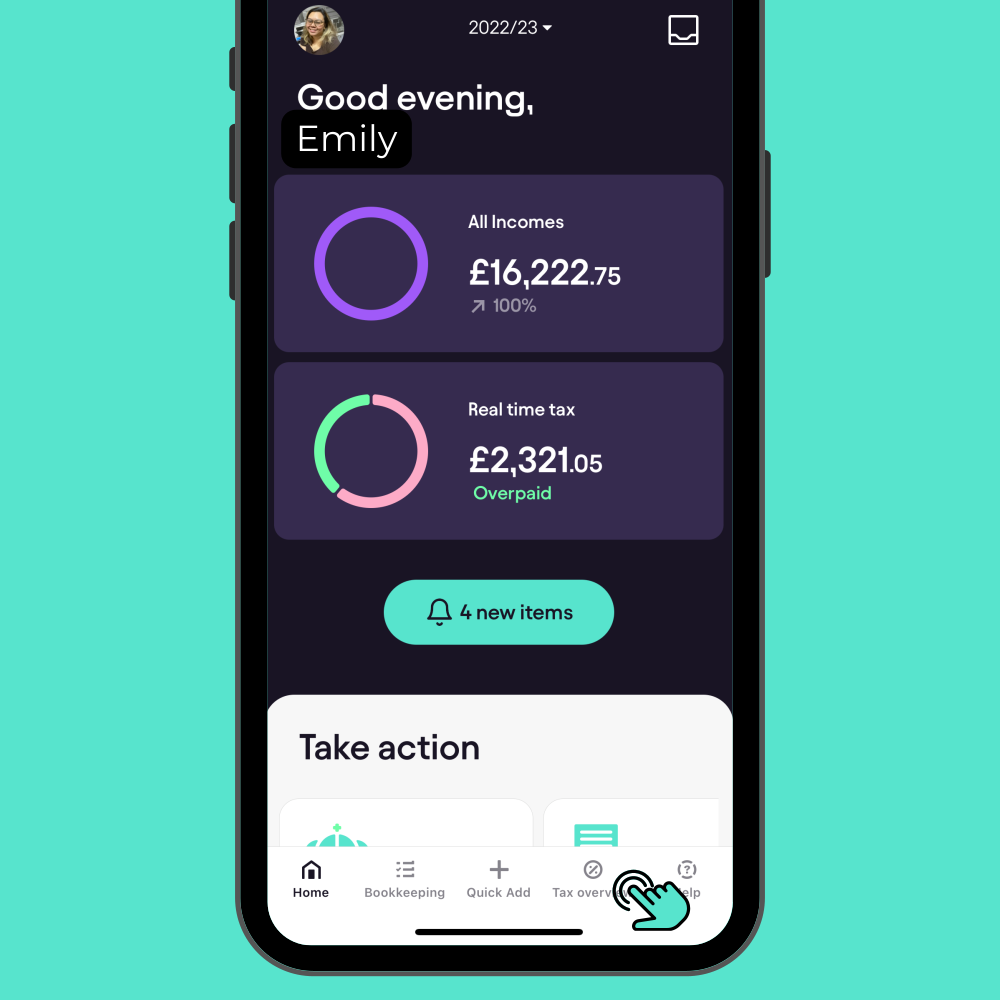
Start by launching the Pie Tax App on your device. On your home screen you will be able to see real time tax calculations, then look for the ‘Tax Overview’ option and tap on it. This section will provide you with a summary of your tax return progress.

icon


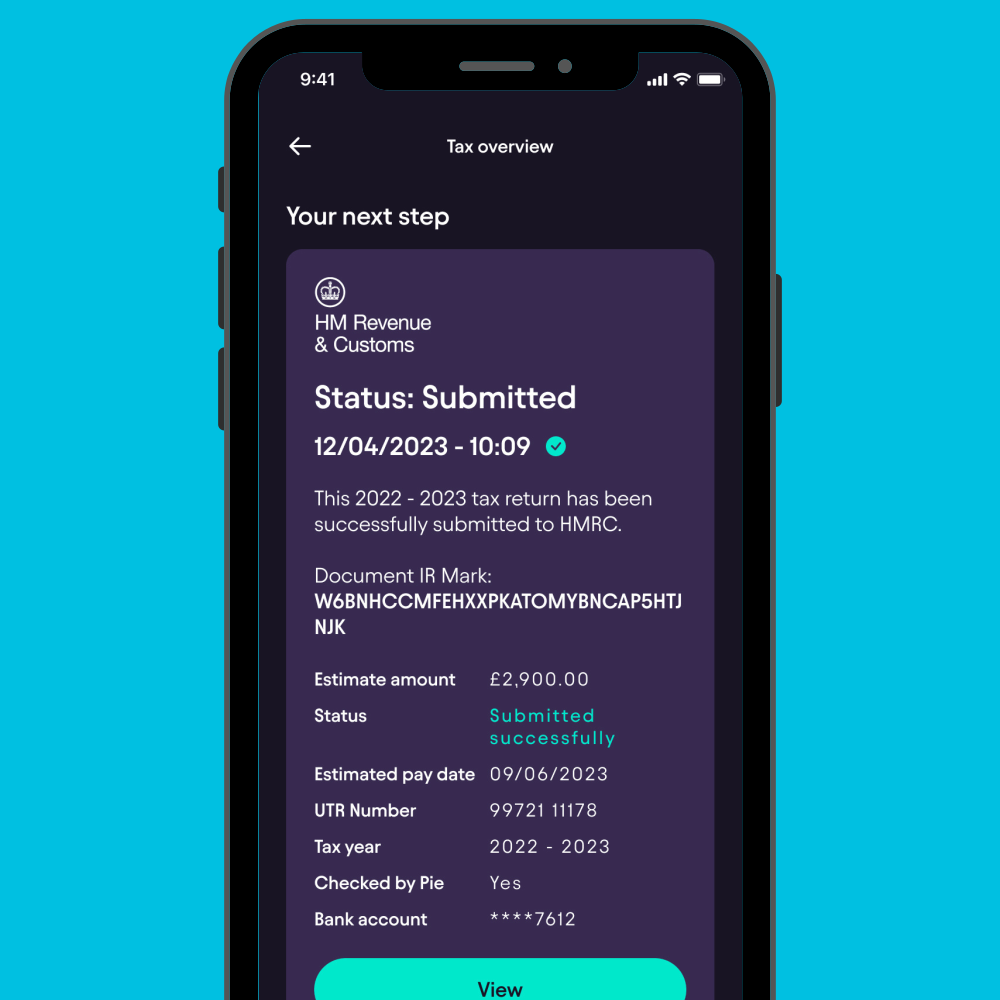
After submitting, the app will notify you that your return has been successfully sent to HMRC. To double-check, return to the ‘Tax Overview’ section, where you’ll see a confirmation prompt with the details of your submitted claim, including the Document IR mark.

Full FAQ Article

Want to get smarter about taxes?

The Tax Pible has tax tips, guides, video tutorials, and expert insights.


Stay up to date with the latest tax news and watch the UKs first tax podcast - the Piecast

Want to get smarter about taxes?

File your Self Assessment - For FREE

Manage your self-assessment in one, easy to use App

  • Save money, time and effort with Pie

  • Add multiple incomes and view your tax in ‘Real Time’

  • File directly to HMRC - for FREE

File your self assessment - for Free

The Free Self Assessment App.

logologo
Want regular updates from us?

Want regular updates from us?

Sign up for regular tax tips and news sent straight to your inbox.

Whatsapp Pie Tax