Let’s Get Started
Before we dive into the details, here’s a clearer picture of what to expect. This introduction will guide you through the key information, explain why it matters, and help you understand the steps ahead. Whether you’re new to the process or simply need a quick refresher, this overview is designed to make everything straightforward and easy to follow. With the right preparation and a clear direction, you can move forward confidently knowing exactly what comes next.
What is Digital Identity Verification Tax All About?
Digital identity verification in tax refers to the electronic methods HMRC uses to confirm you are who you say you are. Rather than posting documents or visiting an office, you can now prove your identity online through secure digital channels.
This shift is part of HMRC’s Making Tax Digital plan. It helps fight fraud while making tax filing much easier for both individuals and businesses across the country.
For most of us, verification involves taking a selfie, scanning ID documents, or answering security questions based on our personal history. These methods are designed to be straightforward yet secure. The process may also involve an identity check at a Post Office branch, where you may need to enter details from your ID documents online before visiting for scanning and verification.
The system works differently depending on whether you’re filing as an individual or a business. Companies House requires identity verification for company directors and people with significant control (PSCs) of controlling companies, and this is necessary for submitting filings such as the confirmation statement.
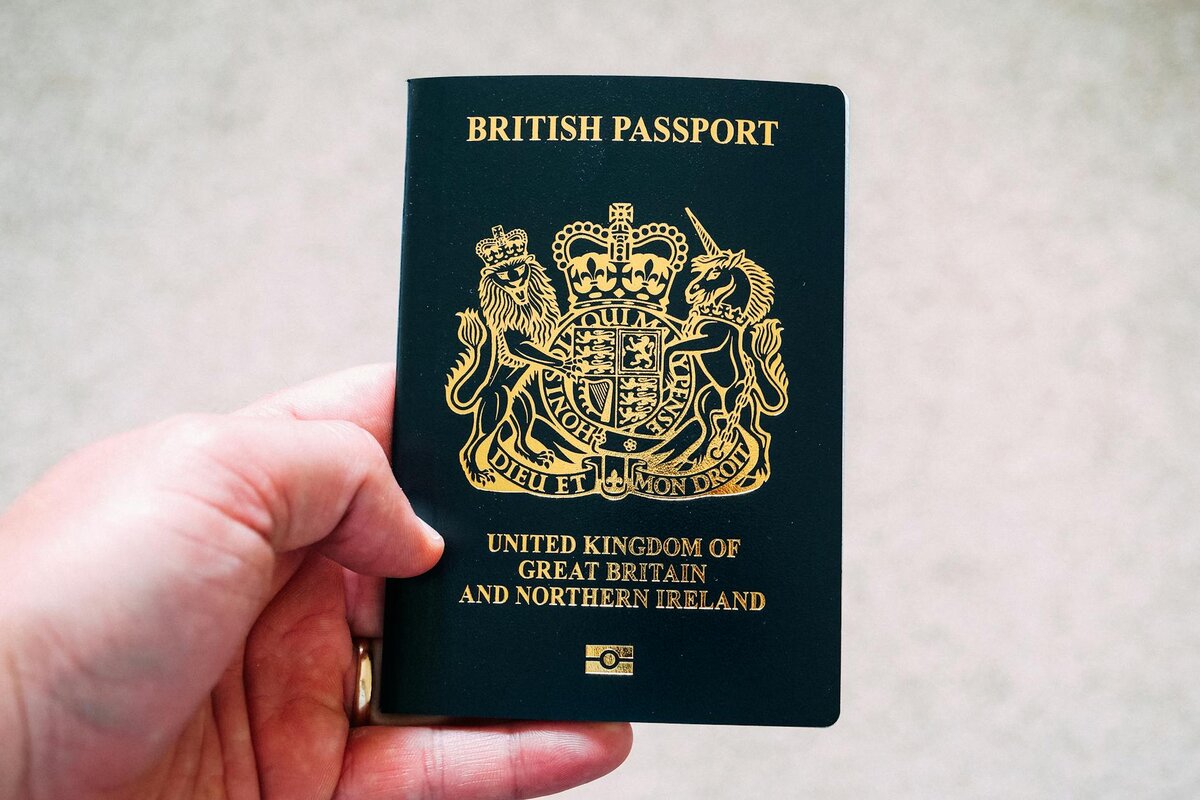
When verifying your identity, you can use a passport, driving licence, documents from an EU country, or a national identity photocard as acceptable forms of ID.
Either way, it typically connects to your existing HMRC online account for a seamless experience.
How Does Digital ID Verification Change Your Tax Filing?
When you log in to HMRC services now, you might need to verify your identity before accessing certain features. It sounds like extra work, but it actually saves time later and provides better security.
Once verified, your tax returns and refunds process much faster than before. The old paper-based checks are becoming a thing of the past, replaced by efficient digital systems.
This digital approach creates a secure record that helps protect you against someone filing taxes in your name, a growing problem in recent years. Additionally, it creates a clear audit trail if questions arise later. Digital identity verification is gradually replacing traditional proofs like the National Insurance number, making the process more secure.
Different tax situations might require different levels of verification. Self-employment taxes, for instance, might need more thorough checks than simple PAYE verification due to their complexity. Sometimes, additional documents such as recent bank statements may be required to confirm your home address. When providing ID, note that some expired documents, such as a BRP, BRC, or FWP, may be accepted for up to 18 months after their expiry date.

Why is Digital Identity Verification Good for Taxpayers?
The biggest win is time saved. No more printing forms, gathering papers, or posting documents to HMRC, which previously could take weeks of back-and-forth correspondence.
Your tax information stays more secure with proper identity checks in place. This helps prevent others from accessing your tax records or filing returns in your name, a problem I’ve personally witnessed affecting colleagues.
You can handle everything remotely, perfect for busy people who can’t take time off to visit tax offices. This flexibility is especially valuable during peak tax seasons when offices are crowded. Digital identity verification also helps streamline access to a wide range of public services, making it easier and faster for users to get the support they need.
The automated system catches common mistakes before you submit your return, reducing the chance of errors that could lead to problems later. This proactive approach prevents many headaches.
Many people get their tax refunds faster too, as the verification speeds up the whole process. Some taxpayers report receiving refunds in days rather than weeks or months.
What Rules Do You Need to Know About?
All digital verification must follow UK data protection laws. Your information can only be used for specific tax purposes and cannot be shared without proper authorisation. Digital identity verification is also a legal requirement for certain tax and employment processes.
Under GDPR, you still have rights regarding how your verification data is stored and used. You can request information about what data is held and how it’s being processed.
If you struggle with digital access, HMRC offers alternative verification methods. For some verification processes, a current account with a UK bank or building society may be required. No one is left behind in the new system, ensuring fairness across all demographics.
Higher-value transactions or unusual activity might trigger additional verification steps. This is just an extra safeguard to protect both taxpayers and the system from potential fraud.
Businesses need compatible systems for verifying employee identities for tax purposes, especially for payroll. HMRC provides guidance to help companies transition smoothly. Digital ID verification is increasingly being adopted in both government and private sectors to ensure compliance and improve service delivery.
Security Measures and Data Protection in Digital ID Verification
When it comes to digital ID verification, security and data protection are at the heart of the process. The UK’s digital ID scheme is built to the highest security standards, ensuring that your personal details are kept safe at every step. Whether you’re accessing government services or private sector services, the system uses advanced encryption and authentication technology to protect your data from unauthorised access.
To prove your identity, you can use the GOV.UK One Login app, which guides you through a secure verification process. This might involve scanning a photo ID, such as your passport or driving licence, and entering details from your UK bank account, mobile phone contract, or insurance documents. For those who don’t have a smart phone, there are alternative ways to verify your identity, like visiting a Post Office or working with an Authorised Corporate Service Provider. This flexibility ensures that all UK citizens and legal residents can access the services they need.
A key part of the verification process is answering security questions online. These questions are based on your credit record and other personal details, making it difficult for anyone else to access your account. The use of certified digital IDs and digital signatures adds another layer of protection, helping to prevent fraud and keep your identity information secure.
The digital ID scheme is fully compliant with UK data protection laws, including GDPR. Your data is only used for the specific purpose of identity verification and is never shared with third parties without your explicit consent. You have control over how your personal data is used and can choose which details to share when accessing different services. This approach not only streamlines access to government and private sector services but also builds trust in the system.
Civil liberties groups have raised concerns about data security and privacy, and the digital ID scheme has been designed with these in mind. By giving users control over their data and ensuring that only authorised parties can access it, the system strikes a balance between robust identity verification and the protection of individual privacy.
In summary, the digital ID verification process in the UK is designed to make it easy and secure for users to prove their identity online. With strong security measures, compliance with data protection laws, and multiple verification options, you can access a wide range of services with confidence that your personal details are protected every step of the way.
Final Thoughts on Digital ID Verification for Tax
Digital identity verification is making tax compliance in the UK more straightforward and secure. While it might seem like a new hurdle at first, most people quickly appreciate the benefits once they’ve used the system.
The days of paper forms and long waits for tax processing are fading away. Digital verification helps HMRC work more efficiently while giving you better protection against fraud and identity theft.
If you need help with verification for your taxes, HMRC’s helpline can guide you through the process. They’ve trained staff specifically to assist with digital verification issues and can provide step-by-step guidance.
Pie tax app, works seamlessly with these digital verification systems. It helps working individuals handle their tax burdens with integrated bookkeeping, real-time tax figures, and simplified self assessment returns.
Ready to make tax season less stressful? Try Pie.tax today and experience how digital identity verification can make your tax life simpler and more secure.