Introduction
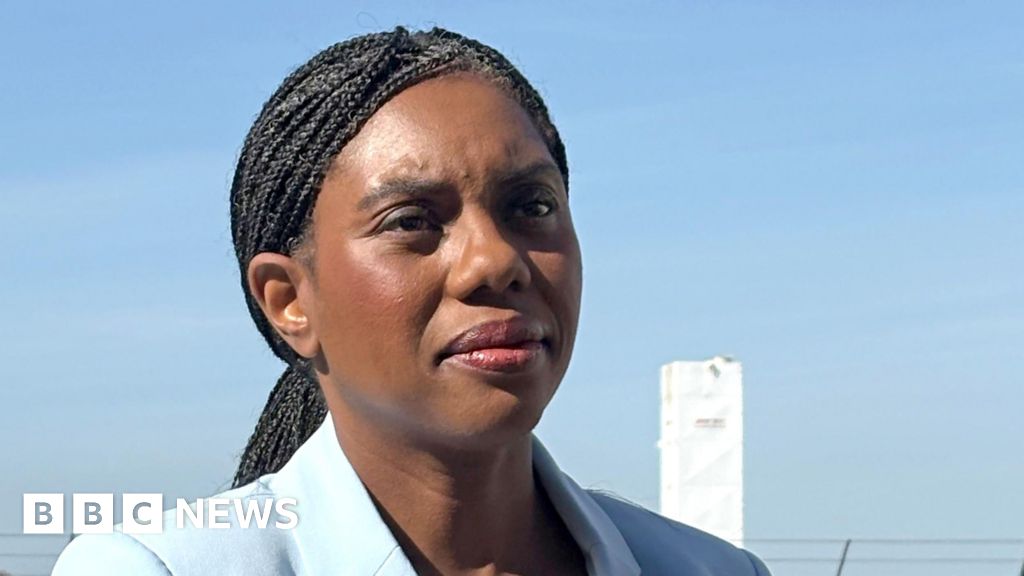
Kemi Badenoch, leader of the Conservative Party, has defended her party’s pledge to lower taxes, following decisions by several Conservative-led councils in Sussex and Surrey to implement council tax increases at the maximum permitted level. Speaking to regional media, Badenoch emphasised her trust in local Conservative councillors and maintained that her party’s track record reflects lower overall taxation and improved public services, despite widespread financial constraints on councils. Debate over funding for key services, particularly adult social care and road maintenance, continues as the local elections approach.
Conservative Councils Face Council Tax Increases
In the South East, Surrey County Council, East Sussex County Council, and West Sussex County Council have each confirmed a council tax increase of 4.99% for the 2026/27 financial year. This represents the maximum annual increase permitted without the need for a local referendum. Although the Conservative Party campaigned on broader tax reductions, these local rises have prompted scrutiny over the party’s fiscal policies at council level. The increases come against a backdrop of intensified pressure on council budgets, with local authorities citing the need to maintain essential services as the principal driver behind their decisions. In interviews, Badenoch asserted that, “on average, Conservative councils do deliver lower taxes and better services,” reiterating her confidence in local representatives to act responsibly.
Badenoch Explains Local Government Pressures
Addressing questions on the council tax rises, Badenoch noted the strained financial environment affecting both national and local government. She acknowledged, “We can all see that government is tight for money, councils are tight for money,” pointing to exceptional demands that have emerged in recent years. Badenoch argued that local councils are “having to spend so much more on things we never used to do,” referencing the changing responsibilities and requirements placed upon local authorities. She remarked that other parties would pursue even higher council tax increases, highlighting Worcestershire County Council’s approved decision to raise council tax by 9%.
Adult Social Care Drives Spending Concerns
One of the most significant pressures on council finances is adult social care, which many local authorities report now comprises a substantial proportion of their spending. Badenoch stated that some councils are allocating as much as 70% of their total budgets to adult social care, a statistic confirmed by council budget reports in the region. This shift has restricted the flexibility of councils to invest in other services or avoid raising taxes. Conservative councillors and officers have stressed that meeting statutory responsibilities in social care is a fundamental priority, leaving little room for discretionary spending elsewhere.
Pothole Funding and Road Maintenance Debate
Road conditions have become a key issue for local residents and featured prominently in the current election campaign. Recent council data show a sharp rise in pothole reports across the South East. East Sussex County Council estimated it would require £350 million to restore roads to an acceptable standard. In response, the Conservative manifesto pledges an investment of £112.5 million to purchase new road repair machinery. Badenoch described this move as an example of “innovative thinking” by her party. She acknowledged, however, that roads have deteriorated, stating, “They are getting worse,” and attributed part of this situation to competing funding demands during the Covid pandemic, when resources were prioritised elsewhere, such as the national furlough scheme.
Political Challenges Ahead of Local Elections
With local elections imminent, opinion polls suggest the Conservatives may struggle to retain control of councils they have led for decades, including West Sussex and East Sussex. Political analysts point to shifting voter allegiances and the increased presence of additional parties, making outcomes less predictable. Badenoch insisted her party was not complacent, noting, “The era of two-party politics has turned into an era of five-party politics, and we need to remind people what the Conservative Party is about.” She indicated the party’s new policies, such as proposals to abolish stamp duty and business rates, are designed to demonstrate responsiveness to public concerns.
Final Summary
As council tax bills rise across Conservative-led local authorities in Sussex and Surrey, Kemi Badenoch has reaffirmed her commitment to lower taxation and efficient governance ahead of the forthcoming local elections. While acknowledging the financial challenges facing councils, she argued that her party maintains a record of responsible management and innovation in service provision. The outcome of the elections is expected to reflect not only public sentiment over taxation and services but also the broader realignment of local politics in England. For those interested in local council spending and election results, further detailed breakdowns can be accessed via the Pie platform.